
In honour of June Fourth, we release excerpts from the second revised edition of “Deng Xiaoping in 1989” by investigative journalist Dai Qing—a work that combats the historical erasure of the Tiananmen crisis.
June 4, 2025: On the 36th anniversary of China’s lethal military suppression of pro-democracy protests in Tiananmen Square, the June Fourth tragedy remains erased from official discourse under Beijing’s state-enforced silence. Although public commemoration of the June 4 crackdown is banned by authorities, leading voices in China’s diaspora community continue to keep the flame of remembrance alive.
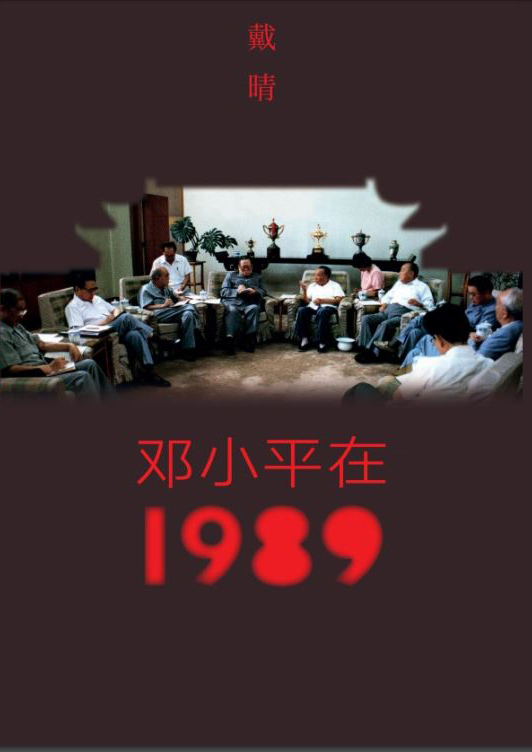
Dedicated to future generations seeking a path beyond China’s “rawness” and red authoritarianism, offering not answers but urgent questions about power, modernity, and historical reckoning. ~ Dai Qing
In honour of the significance of today’s date, we are publishing excerpts from the second revised edition of Deng Xiaoping in 1989 by China’s legendary historical investigative journalist, Dai Qing. A testament to Dai’s lifelong crusade against historical amnesia, this book salvages censored chapters of China’s past, ensuring vital truths withstand the violence of oblivion.
The new revelations offered in the second revised edition of Deng Xiaoping in 1989 include previously inaccessible sources. These new sources reframe the 1989 Tiananmen crisis, exposing fractures within China’s military and political elite while challenging simplistic narratives of the event. Key disclosures included:
Military Dissent
New accounts detail opposition within the PLA to suppressing protesters. A regimental commander refused to advance troops against unarmed students, while a staff officer of the General Staff Department criticized the CCP’s agenda-driven use of force. The infamous “Tank Man” incident is corroborated by eyewitnesses, revealing soldiers firing into bushes as he fled.
Elite Power Struggles
- The “Letter from the Seven Generals,” orchestrated by sons of revolutionary veterans (Ye Xiaoqi, Zhang Sheng), urged restraint, reflecting deep unease among military families.
- Senior leaders, including Chen Yun and Li Xiannian, disavowed responsibility, claiming ignorance despite approving the crackdown.
- Yang Baibing, overseeing operations, exploited the crisis for personal advancement, while soldiers and a beaten military officer expressed shame over their roles.
Deng’s Authoritarian Calculus
- The 1989 Lhasa riots served as a rehearsal for Beijing’s crackdown, prioritizing “political significance” over restraint.
- Deng Xiaoping’s post-crisis Zhuhai Meeting (1992) reasserted the “Party must always control the gun” doctrine, purging rivals like the Yang family to deflect blame while entrenching crony capitalism.
Reassessing Key Players
- Zhao Ziyang’s reformist May 3rd speech alarmed hardliners, hastening his downfall.
- Grassroots leaders (Chen Ziming, Wan Runnan) and “right-leaning but leftist” dissidents are recast as unprepared idealists navigating a system steeped in imperial autocracy and Maoist repression.
Methodology: Cross-verified firsthand testimonies, military logs, and investigative journalism replace dichotomies such as “autocracy vs. democracy,” instead framing 1989 as a collision of Deng’s authoritarian pragmatism, imperial legacies, and a fledgling civil society. Dai dedicates this book to future generations seeking a path beyond China’s “rawness” and red authoritarianism, offering not answers but urgent questions about power, modernity, and historical reckoning.
The Revised Foreword
The Revised First Chapter
 Patricia Adams
 Dai Qing
 Fan Xiao
 Lawrence Solomon
 Mu Lan
 Probe International
 Lisa Peryman
 Probe Media
 Other News Sources


 Probe International